Welcome to the SecureSkeye blog, your source for strategic guidance on maximizing technology value. We provide expert insights on the convergence of IT Security, Managed Services, and intelligent Physical Security. Explore our latest posts on proactive IT management, security compliance, vCIO strategy, and the unified platforms driving operational excellence.
A modern Disaster Recovery Plan transcends simple backup by utilizing RTO/RPO objectives, 3-2-1 cloud redundancy (DRaaS), and integration with immutable security controls and vCIO-led testing to guarantee business continuity and minimize downtime from threats like ransomware.
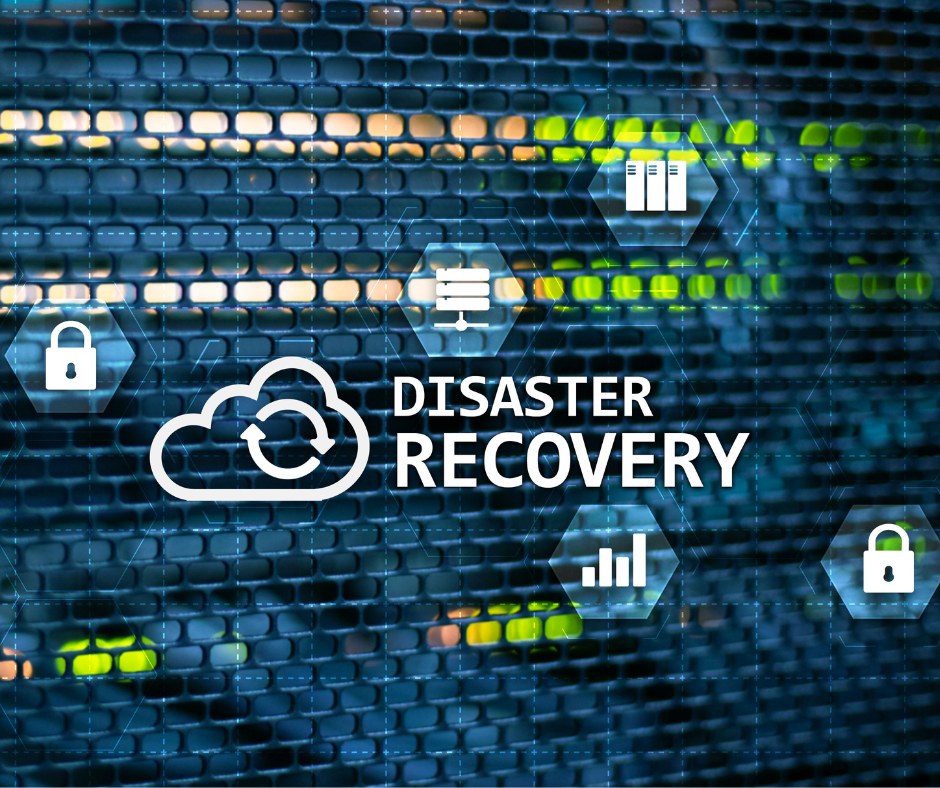
In today’s hyper-connected and threat-laden environment, the critical business reality is that the question is not if your operations will face a significant disruption, but rather when and how prepared you will be. Threats range from sophisticated cyberattacks and crippling ransomware encryption to mundane hardware failures and unpredictable natural disasters. In this landscape, the continuity of your business operations is constantly under severe threat, and relying solely on a simple data backup is a dangerous gamble that guarantees business exposure.
A modern, robust Disaster Recovery (DR) Plan transcends mere data storage; it is a comprehensive strategic framework designed to ensure your organization can quickly and fully resume all mission-critical operations, minimizing costly downtime and eliminating catastrophic data loss. For companies like SecureSkeye, DR is not an optional add-on but a fundamental component integrated into every Managed IT Services partnership to deliver true predictable performance and unwavering confidence.
This definitive guide meticulously outlines the three non-negotiable essentials of a modern DR plan and clarifies precisely why relying on a simple backup solution leaves your business dangerously and financially exposed.
It is vital to understand the fundamental difference between data backup and disaster recovery. A backup is a passive, defensive tool that is simply a snapshot or copy of your data; it answers the question: Can I retrieve the file? Disaster Recovery (DR), by contrast, is an active, offensive strategy; it is the tested plan and the orchestrated process required to use that backup to restore your entire operating environment, including servers, applications, network settings, and entire configurations, quickly and efficiently.
The core difference is time:
The foundational step of a modern DR plan is the establishment and continual verification of two key performance metrics that are meticulously tailored to your unique business needs and risk tolerance.
The RTO is the maximum acceptable length of time that your business can tolerate being completely down or severely impacted after a failure. This metric forces system prioritization:
The RPO is the maximum acceptable amount of data loss measured backward in time (e.g., 5 minutes, 1 hour). This metric directly defines the required frequency of your backup processes:
Why Rigorous Testing is Non-Negotiable: Setting theoretical RTO and RPO objectives is functionally useless without continuous, scheduled testing. SecureSkeye routinely tests the end-to-end recovery process, simulating real-world failures to ensure those RTO targets are genuinely achievable, moving the plan beyond theory to guaranteed continuity and compliance.
A modern DR plan must adhere to the industry-standard "3-2-1 Rule," which ensures data redundancy across different types and geographical locations of storage, protecting against localized disasters or media failure.
The rule mandates:
To achieve the stringent, low RTOs demanded by modern business, most comprehensive plans utilize Cloud Services for Disaster Recovery as a Service (DRaaS). This goes far beyond simple file copying. The cloud stores a fully bootable, virtualized image of your entire operating environment (servers, applications, configurations). If your main site fails catastrophically, this environment can be virtually "spun up" in the cloud within minutes or hours, allowing users to connect instantly via VPN and resume critical work, guaranteeing minimal operational impact.
In the era dominated by ransomware and sophisticated cyber threats, your DR plan is effectively worthless if its recovery data is simply an infected version of your system. The third essential component is the airtight integration of DR directly with your Security & Compliance framework.
A foundational security measure is ensuring your backups are immutable. This technical safeguard means the backup copies cannot be altered, encrypted, or deleted by malware, ransomware, or malicious actors. Furthermore, best practice often requires air-gapping a backup copy, creating a physical or logical separation that no network-borne threat can bridge, thus protecting your recovery data from the very attacks you are trying to recover from.
The DR plan cannot be developed in isolation; it must be built after a thorough, data-driven Security Risk Assessment (SRA). Your vCIO utilizes the SRA findings to identify your most critical business assets and the most probable threats they face. The DR plan then prioritizes resources to protect and recover those specific high-risk assets first. This ensures the plan is perfectly tailored to your organization's real-world vulnerabilities and compliance demands.
A DR plan is not a static document filed away in a binder. Your vCIO ensures the plan evolves in lockstep with your business and technology changes. They conduct mandatory quarterly strategic reviews to verify that the plan accounts for new employee growth, critical software changes, network expansions, and any shifts in compliance requirements, guaranteeing the plan remains effective and deployable at a moment's notice.
Do not let your data backup provide a false sense of security. Relying on simple file copies means gambling with your business’s financial stability and reputation. SecureSkeye helps businesses transition from rudimentary data storage to a comprehensive Disaster Recovery Plan that guarantees continuity, meets stringent RTO/RPO objectives, and seamlessly supports your flat, predictable pricing model by eliminating unforeseen costs.
Ready to gain maximum uptime with a proven, tested DR strategy that aligns with your business goals?