Welcome to the SecureSkeye blog, your source for strategic guidance on maximizing technology value. We provide expert insights on the convergence of IT Security, Managed Services, and intelligent Physical Security. Explore our latest posts on proactive IT management, security compliance, vCIO strategy, and the unified platforms driving operational excellence.
In 2026, access control goes far beyond traditional locks and keys. Modern organisations secure buildings and networks with unified, intelligent systems. The principles of access control now apply to both physical doors and digital resources. For example, companies deploy cloud-managed platforms that grant building entry via a smartphone app or biometric scan, while the same system governs network logins through Single Sign-On (SSO).
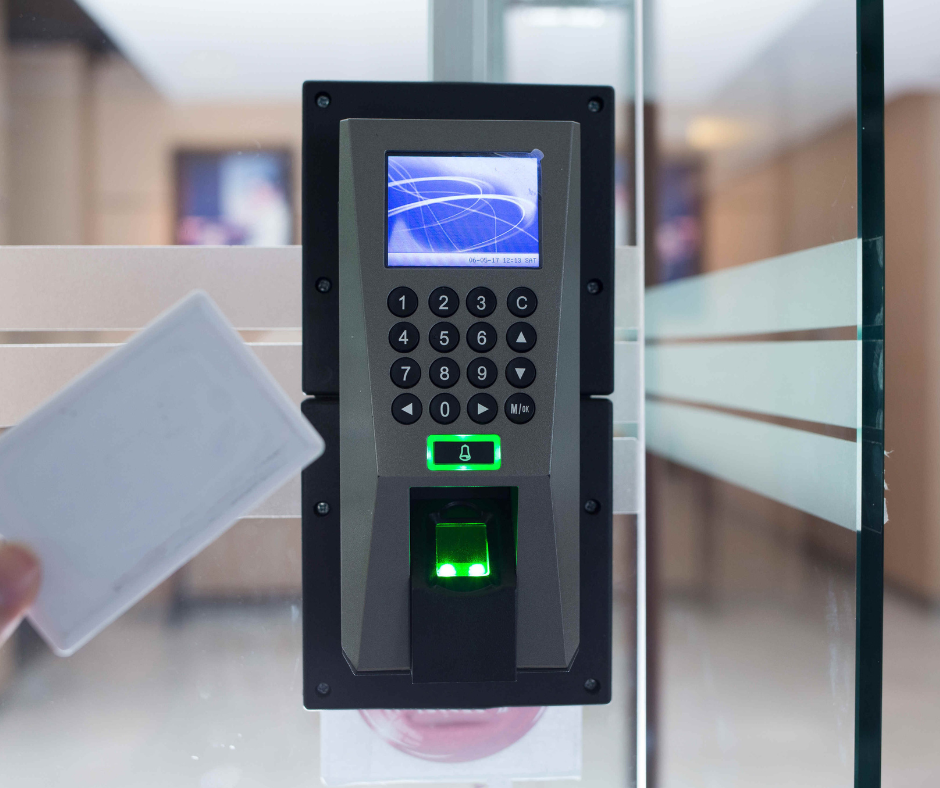
In 2026, access control goes far beyond traditional locks and keys. Modern organisations secure buildings and networks with unified, intelligent systems. The principles of access control now apply to both physical doors and digital resources. For example, companies deploy cloud-managed platforms that grant building entry via a smartphone app or biometric scan, while the same system governs network logins through Single Sign-On (SSO). These converged solutions give full visibility and control: administrators can remotely grant or revokeentry permissions in real time, whether it’s a server room door or a cloud application. In short, smart access control software “moves your security beyond simple locks and keys into a realm of smart, streamlined management,” overseeing entry points remotely and tracking every access event in real time.
Key takeaway: Today’s access control systems unite the physical and digital worlds. Buildings are no longer secured only by keycards; identity is software-defined. As one expert notes, “access control is fundamental to both physical and digital security”. In the sections below, we’ll dive into the 2026 trends—cloud platforms, mobile credentials, biometrics, and AI—and show how SecureSkeye’s hybrid-cloud Access Control platform empowers businesses to implement them securely.
One of the biggest shifts is moving access control management to the cloud. Cloud-based access control systems store credential data and logic on secure cloud servers, rather than on local hardware. This means administrators can manage doors, permissions, and alerts from anywhere with internet access. For example, SecureSkeye’s solution is explicitly hybrid-cloud, providing “intuitive web- and mobile-based” management of all devices and users. Cloud platforms offer unparalleled flexibility: you can add locations or unlock doors via smartphone even miles away.
Benefits of cloud systems include:
In fact, experts predict 2026 as the breakout year for cloud control. One analysis states that “as 2026 security trends prioritise efficiency and flexibility, cloud solutions deliver exactly what modern businesses need: lower costs, easier management, and faster deployment”. The numbers back this: companies migrating to cloud control often save hundreds of admin hours per year and eliminate the need for a dedicated on-site security admin.
Action Point: When evaluating access control, look for cloud-native or hybrid-cloud platforms. SecureSkeye’s Access Control solution, for example, emphasises this approach – managing credentials and door events from the cloud to achieve “complete visibility” over security.
Health, safety, and convenience demands have accelerated touchless access. In 2025–2026, organisations widely adopt mobile credentials and biometrics. Instead of swiping a badge, users tap or hold their smartphone to a reader, or use facial and fingerprint scanners.
These touchless technologies integrate naturally with cloud systems. For example, SecureSkeye’s platform supports SCIM and SSO to automate credential provisioning. HR changes can instantly propagate to both computer logins and door access – if an employee leaves, their building access and network accounts are revoked simultaneously. The upshot for businesses: faster onboarding/offboarding and higher security assurance.
2026’s trend is convergence. Companies increasingly seek unified security platforms that combine physical access, video surveillance, and IT identity. Consolidating these streamlines operations and strengthens security.
Industry Insight: LenelS2 and Honeywell emphasize this trend toward unified, AI-driven platforms. Their 2025 survey notes businesses are adopting “unified access control, video, and analytics into a single solution”, simplifying management and improving situational awareness. AI also enters the mix: access systems can now detect anomalies (e.g. multiple failed scans) and alert security instantly, further protecting both physical premises and digital assets.
Artificial intelligence is a key enabler in 2026 access control. AI/ML algorithms analyse patterns of entry and quickly spot irregular behaviour. For example, if someone tries the same badge on multiple doors repeatedly or logs in at odd hours, the system flags it. This proactive monitoring reduces false alarms and human oversight. One security report highlights that AI in access control can “identify patterns, detect anomalies, trigger automated alerts, reduce human error”.
Cloud platforms amplify this: with data in the cloud, global models can learn organizational habits and refine security policies over time. AI-driven analytics also power advanced reporting (combined with video feeds and visitor logs) for audit and compliance. In short, intelligent access control systems of 2026 don’t just check credentials—they learn and adapt, making security both stronger and smoother.
SecureSkeye’s access control solution embodies these trends. It’s a hybrid cloud platformgiving businesses centralised control of all doors and credentials. The system allows instantaneous provisioning and de-provisioning of access (even across multiple sites) with a single click. Critical automation features (SCIM, SSO) reduce manual work and prevent lapses in security.
By integrating video, cloud, and identity, SecureSkeye ensures any Secureskeye customer can manage physical and IT security as one coherent domain. If your organisation needs this level of modern access control, explore SecureSkeye’s Access Control solutions or contact their team for a demo. Their experts can show you how to implement a “complete visibility”access strategy that safeguards every entry point.